

A cancer diagnosis often brings many questions about treatment options. One of the most common is why doctors sometimes recommend targeted therapy along with chemotherapy instead of chemotherapy alone. While chemotherapy has been a cornerstone of cancer treatment for decades, advances in medical oncology have made it possible to treat certain cancers more precisely using targeted therapy.
Understanding why these treatments are combined can help patients and their families feel more confident when discussing treatment plans with their oncologist.
What Is Chemotherapy?
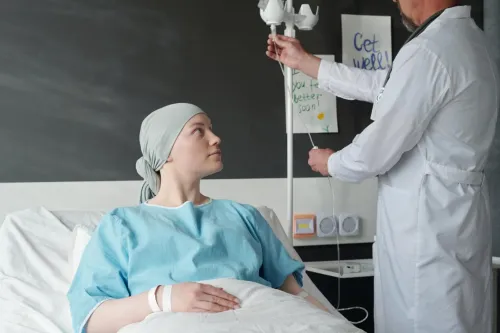
Chemotherapy uses medicines that destroy rapidly dividing cancer cells. Since cancer cells multiply faster than most normal cells, chemotherapy can effectively reduce or eliminate tumors.
However, chemotherapy may also affect some healthy fast-growing cells, such as those in the hair follicles, digestive tract, and bone marrow. This is why patients may experience side effects like hair loss, nausea, fatigue, or low blood counts.
Despite these challenges, chemotherapy remains one of the most effective treatments for many cancers.
What Is Targeted Therapy?
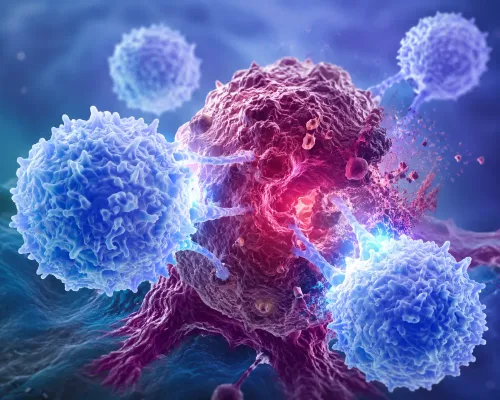
Targeted therapy is a newer form of cancer treatment that focuses on specific genes, proteins, or molecular changes responsible for the growth and spread of cancer.
Instead of attacking all rapidly dividing cells, targeted therapy works by blocking the biological pathways that cancer cells rely on to survive.
Examples include medicines that target:
- HER2-positive breast cancer
- EGFR mutations in lung cancer
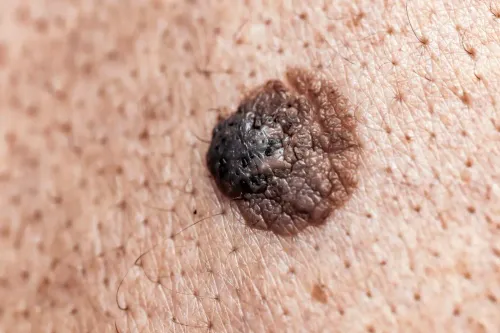
- BRAF mutations in melanoma
- Certain blood cancers with specific genetic abnormalities
Not every patient is eligible for targeted therapy. Doctors usually recommend molecular or genetic testing to determine whether the cancer has a targetable mutation.
Why Are Targeted Therapy and Chemotherapy Combined?
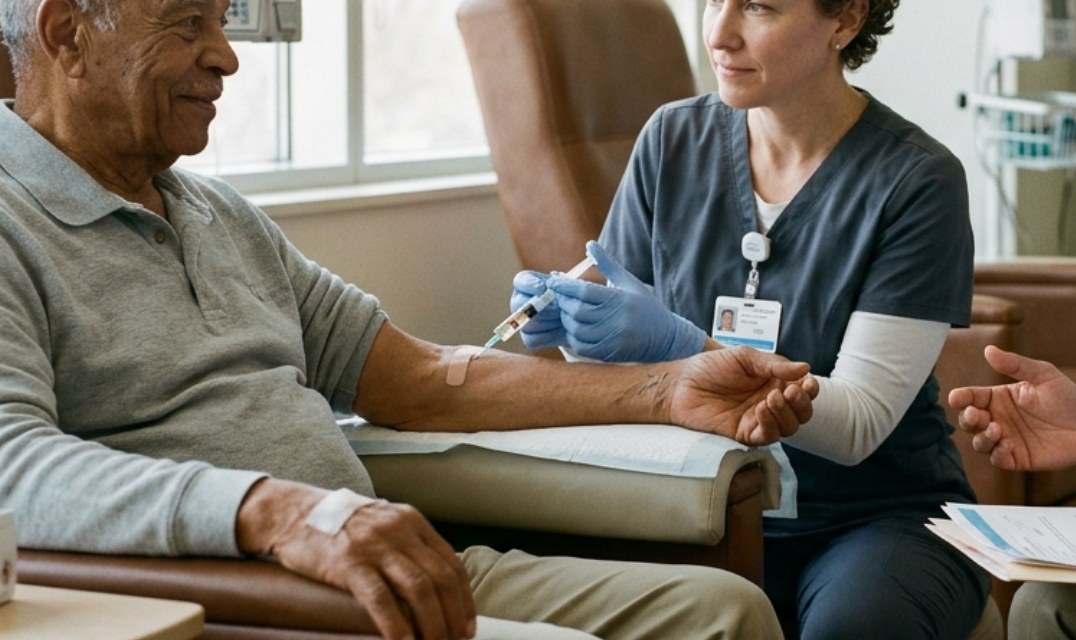
Combining these treatments allows them to work in different ways against cancer.
Chemotherapy directly destroys rapidly dividing cancer cells, while targeted therapy interferes with the specific mechanisms that help cancer cells grow and spread.
This combination may offer several benefits:
- Improved treatment effectiveness
- Better control of cancer progression
- Reduced likelihood of treatment resistance
- Longer periods before cancer returns in certain cases
- Improved survival for selected cancers
The decision to combine treatments depends on the cancer type, stage, genetic profile, and the patient's overall health.
Which Cancers Commonly Use Combination Treatment?
Doctors may recommend targeted therapy with chemotherapy for several cancers, including:
- Breast cancer
- Lung cancer
- Colorectal cancer
- Gastric cancer
- Ovarian cancer
- Certain lymphomas
The exact treatment schedule varies based on clinical guidelines and individual patient needs.
How Doctors Decide Whether Targeted Therapy Is Suitable
Targeted therapy is not a one-size-fits-all treatment.
Before recommending it, an oncologist may order:
- Biomarker testing
- Genetic or molecular profiling
- Tissue biopsy analysis
- Blood investigations
- Imaging studies
These tests help identify whether the tumor has characteristics that are likely to respond to a specific targeted medicine.
Does Combining Treatments Increase Side Effects?
Because targeted therapy works differently from chemotherapy, the side effects are often different as well.
Some patients may experience:
- Skin rash
- High blood pressure
- Diarrhea
- Fatigue
- Liver function changes
Chemotherapy-related side effects may still occur, but oncology teams carefully monitor patients throughout treatment. Many side effects can be managed with supportive medications, dose adjustments, nutritional guidance, and regular follow-up.
Why Personalized Treatment Matters
Modern cancer care focuses on treating the individual rather than just the disease.
Two patients with the same type of cancer may receive different treatment plans depending on factors such as:
- Tumor genetics
- Cancer stage
- Previous treatments
- Age
- Overall medical condition
- Other health concerns
This personalized approach helps improve treatment outcomes while avoiding unnecessary therapies.
Accessing Advanced Cancer Care
Patients in Pimpri-Chinchwad, increasingly have access to advanced oncology treatments that combine evidence-based chemotherapy with targeted therapies when clinically appropriate.
At Dr. Gawande Oncocare Centre, treatment recommendations are based on detailed diagnostic evaluation, current international oncology guidelines, and each patient's unique cancer profile. The centre also emphasizes patient education so families understand the purpose of every treatment being recommended.
People looking for reliable information about available therapies can also explore resources shared through drgawandecancercare.com, where different cancer treatment approaches are explained in an easy-to-understand manner.
Choosing the right treatment is never about selecting the newest medicine—it is about selecting the most appropriate medicine. When targeted therapy is added to chemotherapy for eligible patients, the goal is to improve the effectiveness of treatment while delivering care that is tailored to the biology of the cancer. Discussing available options with a qualified medical oncologist is the best way to understand whether this combination is suitable for an individual case.