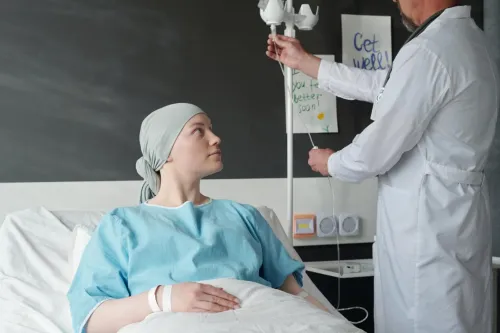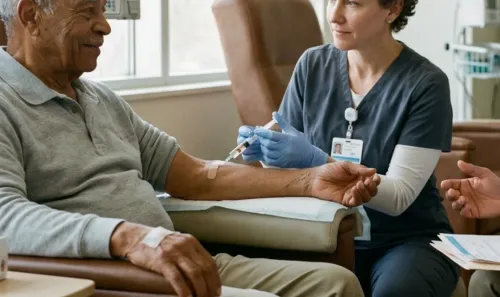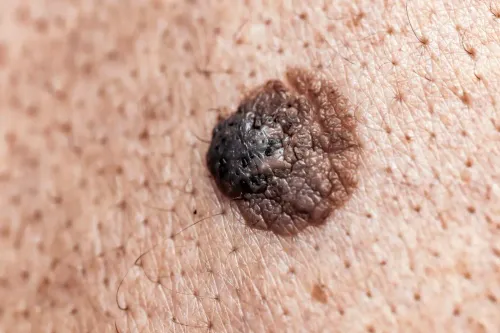


Cancer treatment has changed significantly over the last decade. While chemotherapy remains one of the most effective treatments for many cancers, doctors now combine it with newer therapies in carefully selected patients to improve outcomes. One of the most important advances is immunotherapy.
Many patients wonder why immunotherapy is sometimes given alongside chemotherapy instead of replacing it altogether. The answer lies in how these treatments complement each other.
Understanding Immunotherapy
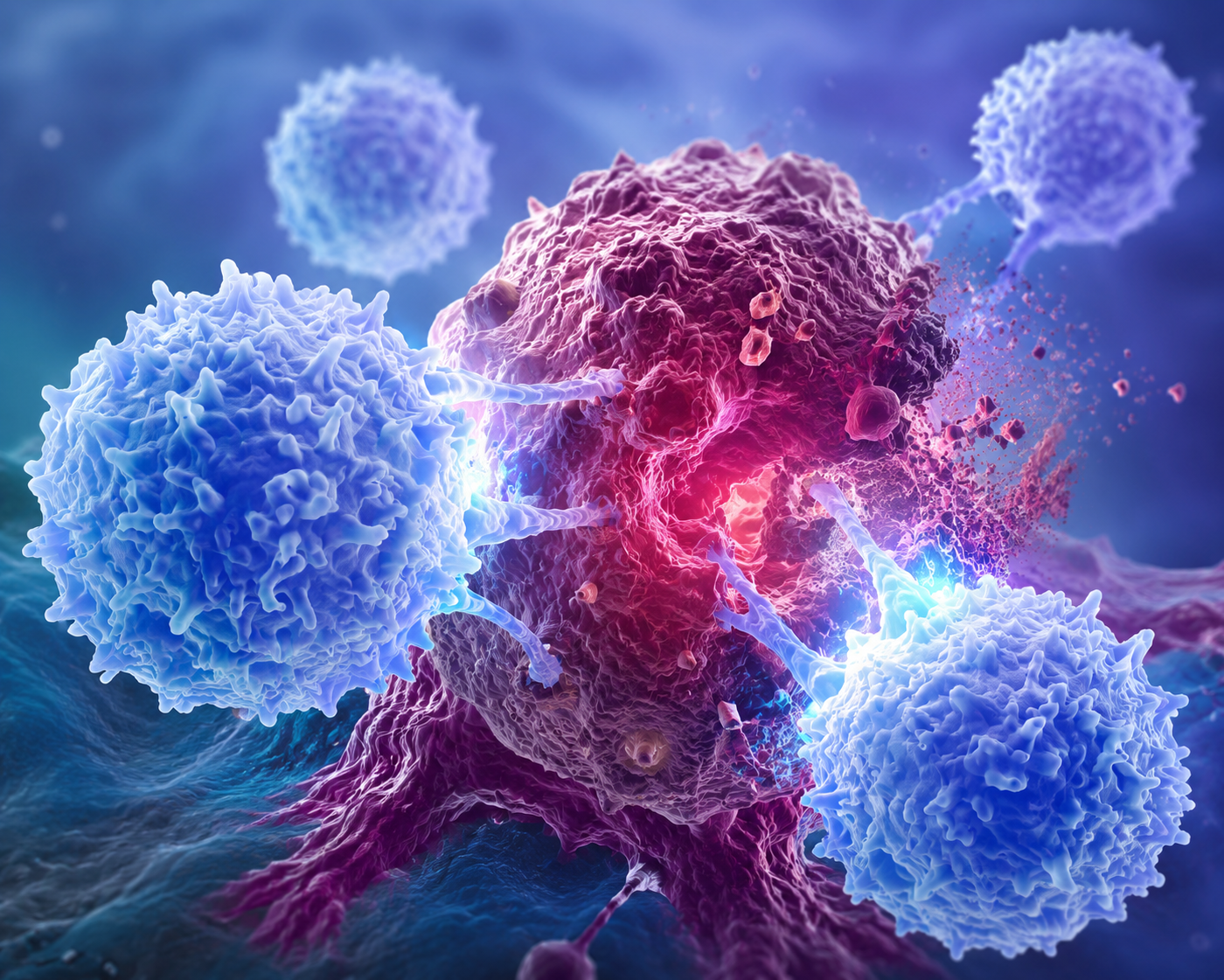
Unlike chemotherapy, immunotherapy does not directly kill cancer cells.
Instead, it helps the body's immune system recognize and attack cancer more effectively. Cancer cells often develop ways to hide from immune cells, allowing them to continue growing unchecked.
Immunotherapy medicines help remove these 'hidden shields,' enabling the immune system to identify and destroy cancer cells.
How Chemotherapy Supports Immunotherapy
Although chemotherapy attacks cancer directly, it may also help immunotherapy work better.
In some cancers, chemotherapy:
- Reduces the number of cancer cells
- Weakens tumor defenses
- Makes cancer cells more visible to the immune system
- Creates an environment where immunotherapy becomes more effective
This is why oncologists often recommend both treatments together rather than choosing only one.
Which Cancers Benefit from Combination Therapy?
Clinical research has shown benefits in selected patients with cancers such as:
- Non-small cell lung cancer
- Triple-negative breast cancer
- Head and neck cancers
- Esophageal cancer
- Gastric cancer
- Certain bladder cancers
Not every patient requires both treatments. Eligibility depends on the cancer type, stage, biomarker testing, and overall health.
How Is Eligibility Determined?
Before recommending immunotherapy, doctors evaluate several important factors.
These may include:
- PD-L1 testing
- Genetic and molecular markers
- Tumor characteristics
- Previous treatment history
- Organ function
- Existing autoimmune conditions
These assessments help determine whether immunotherapy is likely to provide meaningful benefit.
What Happens During Treatment?
Treatment schedules vary depending on the medications used.
Patients may receive:
- Chemotherapy alone
- Immunotherapy alone
- Chemotherapy followed by immunotherapy
- Chemotherapy and immunotherapy together
Regular blood tests, imaging scans, and clinical evaluations help monitor how the cancer is responding.
Are There Different Side Effects?
Immunotherapy side effects differ from chemotherapy because they result from increased immune activity.
Possible side effects include:
- Skin changes
- Fatigue
- Thyroid dysfunction
- Diarrhea
- Lung inflammation
- Liver inflammation
Most side effects are manageable when identified early, making regular follow-up appointments especially important.
The Importance of Continuous Monitoring
Cancer treatment is not static.
During therapy, doctors continuously evaluate:
- Tumor response
- Imaging results
- Blood investigations
- Patient well-being
- Treatment tolerance
Based on these findings, treatment plans may be modified to achieve the best possible outcome while maintaining safety.
Comprehensive Oncology Care Close to Home
Patients seeking advanced cancer treatment in Pimpri-Chinchwad, often benefit from centres that offer access to modern therapies alongside individualized treatment planning.
Dr. Gawande Oncocare Centre follows a multidisciplinary approach where treatment decisions are based on current scientific evidence, detailed diagnostics, and patient-specific factors rather than a standard protocol for everyone. This ensures that therapies such as immunotherapy are recommended only when they are expected to offer clinical benefit.
Educational information available through drgawandecancercare.com also helps patients better understand why different treatment combinations may be suggested for their particular diagnosis.
The addition of immunotherapy to chemotherapy represents an important advancement in cancer care. For eligible patients, this combination can enhance the body's natural ability to fight cancer while complementing the cancer-killing effects of chemotherapy. Discussing treatment options with a medical oncologist allows patients to receive a plan that reflects the latest advances in oncology and their individual healthcare needs.