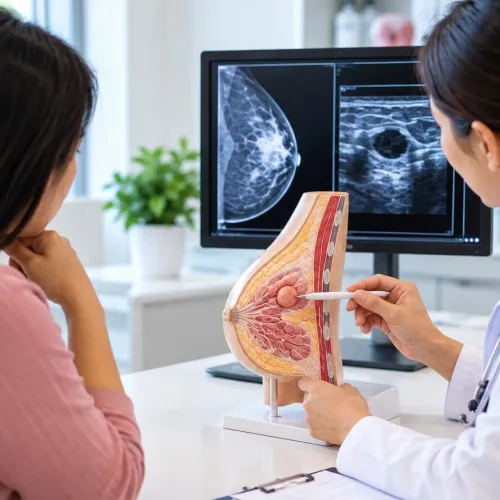
Radiation is used for more than one reason: it can aim to cure a cancer, prepare a tumour for surgery, reduce the chance of recurrence, or relieve symptoms when cure is not possible. By understanding the cancer, treatment goal, radiation method, schedule, and likely side effects, you can have a more useful discussion about whether it belongs in your treatment plan.
Key takeaways
- Radiation treats a defined tumour or body region, not the whole body.
- Doctors consider cancer type, stage, histology, location, and overall health.
- Treatment may use external beams, internal radiation, or focused techniques.
- Sessions are divided into fractions to treat cancer while limiting normal-tissue damage.
Which cancers are treated with radiation, and what is the goal?
Radiation is a local treatment aimed at a defined tumour or body region, not the whole body. The cancers treated with radiation include breast, prostate, head and neck, cervical, lung, brain, rectal, skin, and bone cancers, but the same cancer may need a different plan based on stage, histology, tumour location, and overall health.
Radiation therapy uses usually fall into five goals:
| Goal | How radiation is used | Examples |
|---|---|---|
| Definitive treatment | Treats the tumour with curative intent | Many cervical cancers; selected prostate, head-and-neck, lung, skin, and brain tumours |
| Before surgery | Shrinks or sterilises the tumour | Rectal cancer and selected other locally advanced cancers |
| After surgery | Destroys microscopic residual cancer cells | Breast-conserving surgery followed by whole-breast radiation |
| Instead of surgery | Provides local control when surgery is unsafe or excessively disabling | Selected prostate, lung, skin, or brain tumours |
| Palliation | Relieves symptoms when cure is not possible | Painful bone metastases, bleeding tumours, pressure, or obstruction |
Breast cancer radiation after breast-conserving surgery reduces the risk of recurrence in the treated breast; it is not automatically needed after every breast operation. For prostate cancer, radiation therapy coverage and treatment goal depend on risk group, tumour extent, urinary function, and general health.
Curative courses often take several weeks, while palliative courses for painful bone metastases or bleeding tumours are often shorter. The schedule depends on the symptom, treated site, previous treatment, and risk of complications.
How do doctors decide whether radiation is the right treatment?
Doctors choose radiation through a radiation therapy decision, not from the diagnosis alone. They weigh:
- Cancer type, stage, biopsy findings, tumour size, location, and scans showing whether disease is confined to one region or has spread.
- Nearby organs at risk, such as the bowel, bladder, spinal cord, heart, or lungs, and whether they can receive a safe dose.
- Previous surgery, chemotherapy, or radiation. A recurrence after radiation requires review of the earlier plan and cumulative dose to nearby organs.
- Other illnesses, mobility, nutrition, and ability to attend treatment sessions.
- Your goals, including cure, preserving function, avoiding an operation, or controlling pain, bleeding, pressure, or obstruction.
| Treatment | Main reach | Main role |
|---|---|---|
| Surgery | Visible disease | Removes a tumour or affected organ |
| Radiation therapy | Defined region | Controls tumour cells in the planned field |
| Chemotherapy | Whole body | Treats cancer inside and outside the radiation field |
| Targeted therapy or immunotherapy | Whole body | Acts on specific cancer features or immune responses |
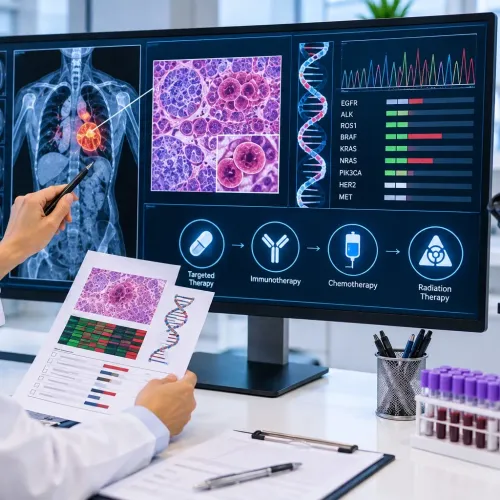
This radiation versus surgery choice depends on safety and function: radiation may be preferred when an operation would be unsafe, excessively disabling, or unlikely to achieve control. The targeted therapy and immunotherapy comparison also matters because systemic treatment addresses disease beyond a local field.
Doctors combine treatments when each adds value. Concurrent radiation and chemotherapy can sensitise cancer cells to radiation or treat cancer outside the field, but the combination increases side effects and is not needed for every course.
Dr Gawande Oncocare Centre can connect pathology, scans, prior treatment, and personal goals during specialist oncology assessment before a plan is selected.
What types of radiation therapy are available, and how is treatment planned?
Three forms are used: external-beam radiation therapy directs radiation from a machine; brachytherapy places a radioactive source inside or beside the tumour; systemic radioactive treatment circulates a radiopharmaceutical through the body. External-beam treatment does not make you radioactive, while internal or systemic treatment may require temporary safety instructions.
| Option | How it works | Timing and safety |
|---|---|---|
| External-beam radiation therapy | Beams from a machine target a defined body region | Usually delivered in repeated sessions; no radioactivity remains in you |
| Brachytherapy | A source sits inside or next to the tumour | Temporary removal or permanent implantation |
| Systemic radioactive treatment | A radioactive medicine travels through the bloodstream to selected tissues | Specific precautions may apply while the substance remains in the body |
Radiation simulation and treatment planning turns scans into an individual plan. Two people with the same cancer can receive different fields, doses, or techniques.
- At consultation, the team reviews the diagnosis, scans, prior treatment, and treatment goal.
- CT simulation or other imaging shows the tumour, treatment region, and organs at risk. The skin may be marked.
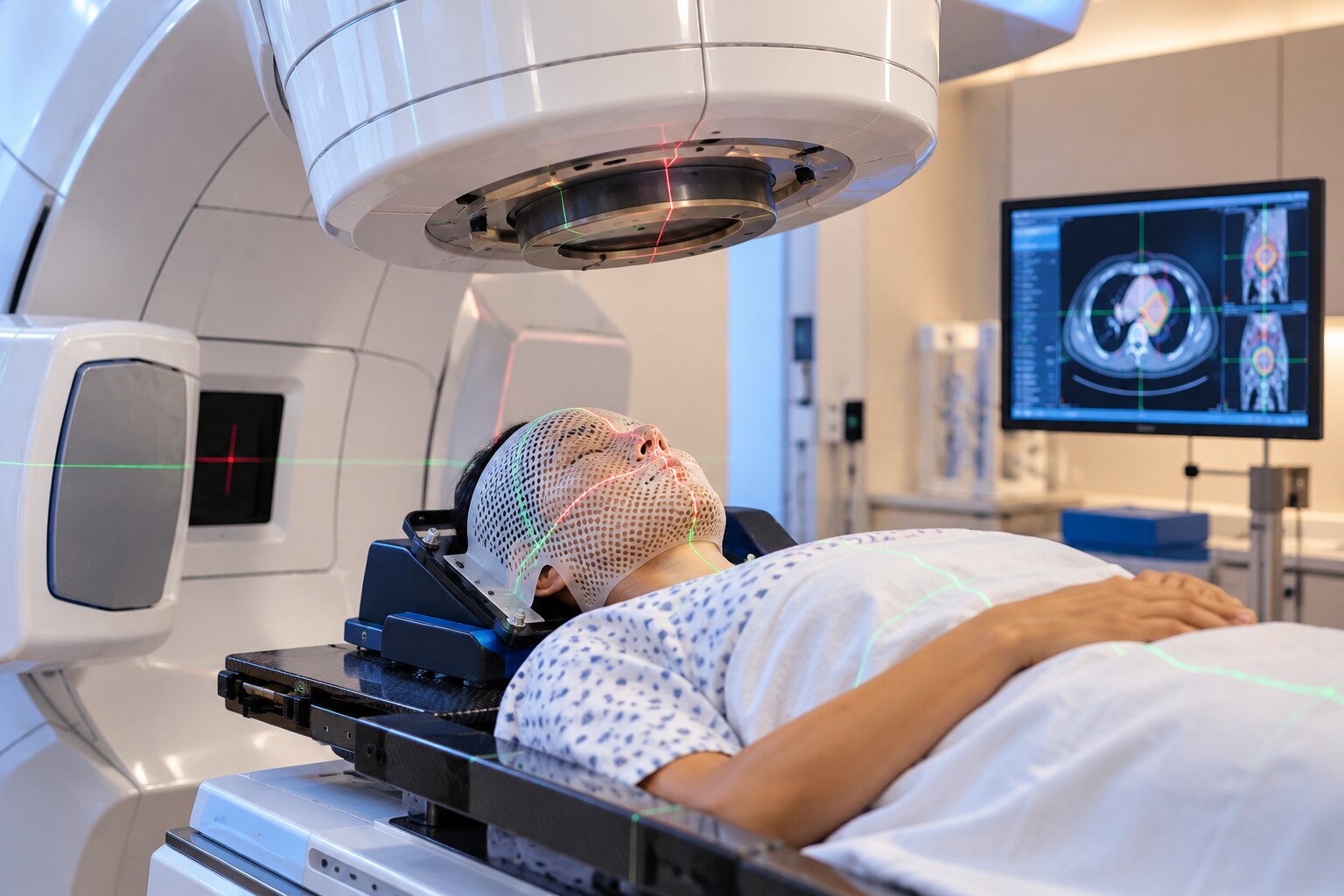
- A mask, mould, or other immobilisation device helps you remain in the same position.
- The team chooses beam angles, calculates the dose, and checks the computer-generated plan before treatment.
- Stereotactic radiosurgery and stereotactic body radiation therapy deliver highly focused radiation in one or a few sessions. “Surgery” does not mean an incision; suitability depends on tumour size, number, movement, location, and nearby-organ tolerance.
What happens during radiation treatment, and why are sessions divided into fractions?
On the first radiation treatment day, the team confirms your identity and treatment plan before bringing you into the treatment room. What happens during radiation therapy then follows the setup created during simulation:
- You lie on the treatment couch in the same position used for planning.
- Staff place the mould or mask made during simulation to limit movement.
- Room lasers and imaging guide final alignment of the treatment area.
- Staff leave the room for beam delivery, but watch you continuously on cameras and communicate through an intercom.
- The machine delivers the planned radiation, and you can usually leave afterward.
The first radiation treatment may feel uncomfortable because of the position or immobilisation device, but the radiation beam itself is not felt. External-beam treatment does not make you radioactive, so ordinary contact with family is safe.
Radiation fractions are repeated treatment sessions that divide the total dose. This gives normal tissue time to repair between treatments while cancer cells accumulate damage. Conventional courses run for several weeks; hypofractionated and stereotactic courses use fewer visits with a larger dose per session, which is not automatically safer or suitable for every tumour.
Your radiation therapy schedule depends on tumour size and movement, treatment intent, nearby-organ tolerance, previous treatment, and concurrent chemotherapy. Internal brachytherapy or systemic radiopharmaceutical treatment can require temporary precautions because radioactive material may remain in your body.
What side effects depend on the area being treated?
The treated area largely determines radiation therapy side effects, while dose, fractionation, treatment volume, and concurrent chemotherapy affect their severity and timing. Short-term effects develop during treatment or soon afterward; late effects can appear months or years later.
| Area treated | Expected short-term effects | Possible late effects |
|---|---|---|
| Skin or any external-beam field | Radiation skin changes: redness, dryness, darkening, peeling, and radiation fatigue and hair loss within the field | Fibrosis, skin thinning, or persistent pigment change |
| Head and neck | Mouth and throat radiation side effects, including soreness, swallowing difficulty, taste changes, and reduced saliva | Dental problems, persistent dry mouth, swallowing changes, or tissue fibrosis |
| Abdomen or pelvis | Nausea, diarrhoea, cramping, or other bowel changes | Bowel or organ injury, fibrosis, and occasional bleeding |
| Pelvis | Rectal irritation, urinary frequency, bladder irritation, and erectile or other sexual effects | Persistent bowel, bladder, sexual, or reproductive problems |
| Brain | Temporary swelling, headache, nausea, or hair loss in the field | Cognitive changes, tissue injury, or radiation-related swelling |
| Breast or chest | Skin changes, fatigue, breast firmness, or lung irritation | Fibrosis, lymphedema, and rare heart or lung injury, depending on the field |
Concurrent chemotherapy can intensify these reactions because it sensitises cancer cells and normal tissue. Report these promptly:
- Worsening pain, inability to swallow fluids, persistent vomiting, fever, breathing difficulty, or uncontrolled bleeding.
If re-irradiation is considered, the team must review the previous plan and cumulative dose because earlier radiation increases late-tissue risk.
Frequently asked questions
Which cancers are treated with radiation therapy?
Radiation is used for breast, prostate, head and neck, cervical, lung, brain, rectal, skin, and bone cancers, among others.
How do doctors decide whether radiation is appropriate?
Doctors review the cancer’s stage, histology, tumour location, treatment goal, and your overall health before recommending radiation.
What types of radiation therapy are available?
Treatment may use external-beam radiation, internal radiation called brachytherapy, or focused techniques selected for the tumour’s location and treatment goal.
Why is radiation therapy divided into fractions?
Fractions spread treatment over multiple sessions, allowing healthy tissue time to recover between doses while radiation damages cancer cells.
Which side effects can radiation cause?
Side effects depend on the treated area; examples include skin changes, fatigue, mouth or throat symptoms, bowel changes, urinary symptoms, and hair loss in the treatment field.