Chemotherapy drugs travel through the bloodstream and disrupt cancer cells as they divide, but they can also affect healthy tissues that grow quickly. Understanding the treatment goal, schedule, safety checks, delivery method and warning signs helps you take part in decisions and know what requires prompt medical attention.
Key takeaways
- Chemotherapy targets rapidly dividing cells, including some healthy cells.
- Treatment cycles combine drug doses with planned recovery periods.
- Ask your oncology team which symptoms require an urgent call.
- Report fever, breathing difficulty, uncontrolled vomiting, or unusual bleeding promptly.
How chemotherapy attacks cancer—and why it causes side effects
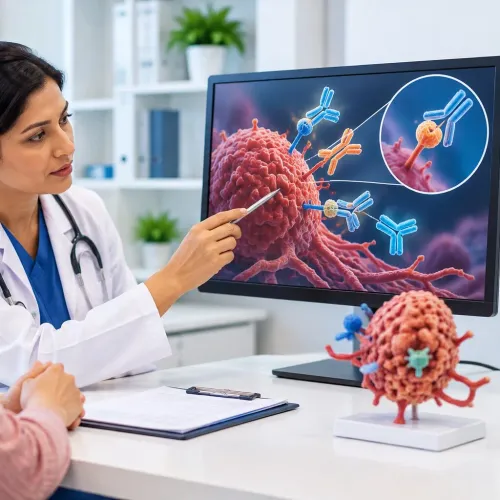
Chemotherapy works by disrupting cancer cell division or damaging the DNA that cancer cells need to survive and reproduce. Some drugs act at a specific point in the cell cycle; others prevent DNA from being copied or repaired.
Doctors often combine drugs with different actions because one cancer cell may resist one attack, while several mechanisms reduce the chance of treatment resistance.
The drugs travel through the bloodstream, making chemotherapy a systemic treatment. That reach also explains many side effects: healthy cells that divide quickly, including cells in the bone marrow, hair follicles and digestive tract, can be injured alongside cancer cells. This can cause low blood counts, hair loss, nausea or mouth sores.
Side effects depend on the drugs and doses, and some effects, such as nerve damage or fertility problems, can appear or persist after treatment.
| Treatment | Main target or reach | How it differs |
|---|---|---|
| Chemotherapy | Rapidly dividing cells throughout the body | Uses drugs as systemic treatment |
| Surgery | A tumour or defined body area | Removes visible cancer physically |
| Radiation therapy | A planned treatment field | Damages cancer DNA in a targeted area |
| Targeted therapy | A specific protein or molecular change | Attacks a feature driving the cancer |
| Immunotherapy | The immune system | Helps immune cells recognise or attack cancer |
| Hormone therapy | Hormone-dependent cancer cells | Blocks or lowers growth-promoting hormones |
A cancer team can combine or sequence these treatments because each attacks cancer differently. The choice depends on the cancer’s type, stage, biology, previous treatment and your overall health.
When doctors choose chemotherapy and what the treatment is meant to achieve
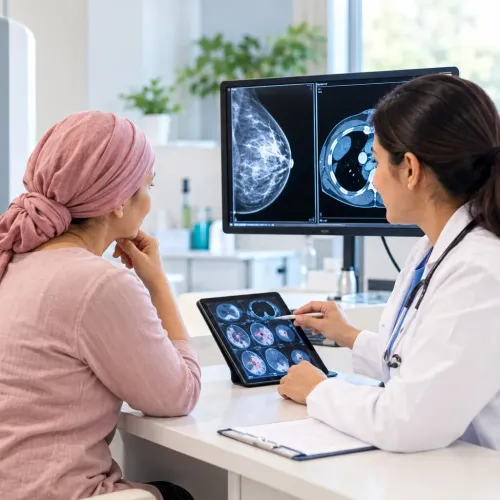
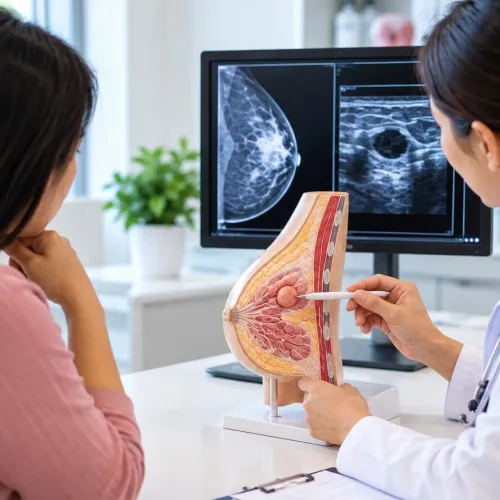
Chemotherapy is appropriate when the expected benefit outweighs the risks for your cancer type and stage. Specialists review pathology, tumour biology, molecular or biomarker results, previous treatments, overall health, kidney and liver function, blood counts, and your treatment goals. The same cancer name does not guarantee the same drugs or schedule for every patient.
The chemotherapy decision also depends on what success means. Curative chemotherapy aims to eradicate cancer and achieve long-term remission, but cure is not guaranteed. Other plans reduce the chance of recurrence, shrink disease before local treatment, keep a response stable, or relieve symptoms when cure is not realistic.
| Term | What it means | What to expect |
|---|---|---|
| Curative | Treatment intended to eliminate cancer | Treatment may be intensive because long-term control is the goal |
| Adjuvant | Given after surgery to destroy microscopic cancer cells | Scans may show no remaining tumour, yet treatment targets unseen disease |
| Neoadjuvant | Given before surgery or radiotherapy to shrink or weaken a tumour | Doctors assess response before the next treatment |
| Induction | Initial, often intensive treatment to reduce disease or achieve remission | Further treatment may follow to deepen or maintain the response |
| Maintenance | Lower-intensity treatment after initial control | The aim is to delay regrowth, not necessarily remove every cancer cell |
| Palliative | Given when cure is not realistic to slow disease or ease symptoms | Doctors balance tumour control, side effects, daily function, and quality of life |
Ask which goal applies to you, how response will be measured, and what would cause the team to change or stop treatment.
How a chemotherapy regimen is organised into cycles and treatment routes
A chemotherapy regimen is the complete treatment plan: the chosen drugs, doses, timing, route of delivery and planned number of cycles. The same regimen can be modified for your blood counts, kidney or liver function, side effects, or response to treatment.
Chemotherapy cycles divide treatment into active treatment and recovery. A cycle may contain one treatment day or several treatment days, followed by a rest period that allows healthy tissues, especially bone marrow, to recover. The next cycle starts according to the schedule, not necessarily when you feel completely normal.
A treatment day is any scheduled day on which you receive chemotherapy or related medicines. Some plans give treatment on Day 1 only; others give drugs on Days 1 and 8, for example, before the rest period begins.
A dose adjustment means changing the dose, timing or sometimes the drug itself. The team may delay a cycle or reduce a dose when test results or toxicity make the original plan unsafe or less effective.
Chemotherapy reaches you through several routes:
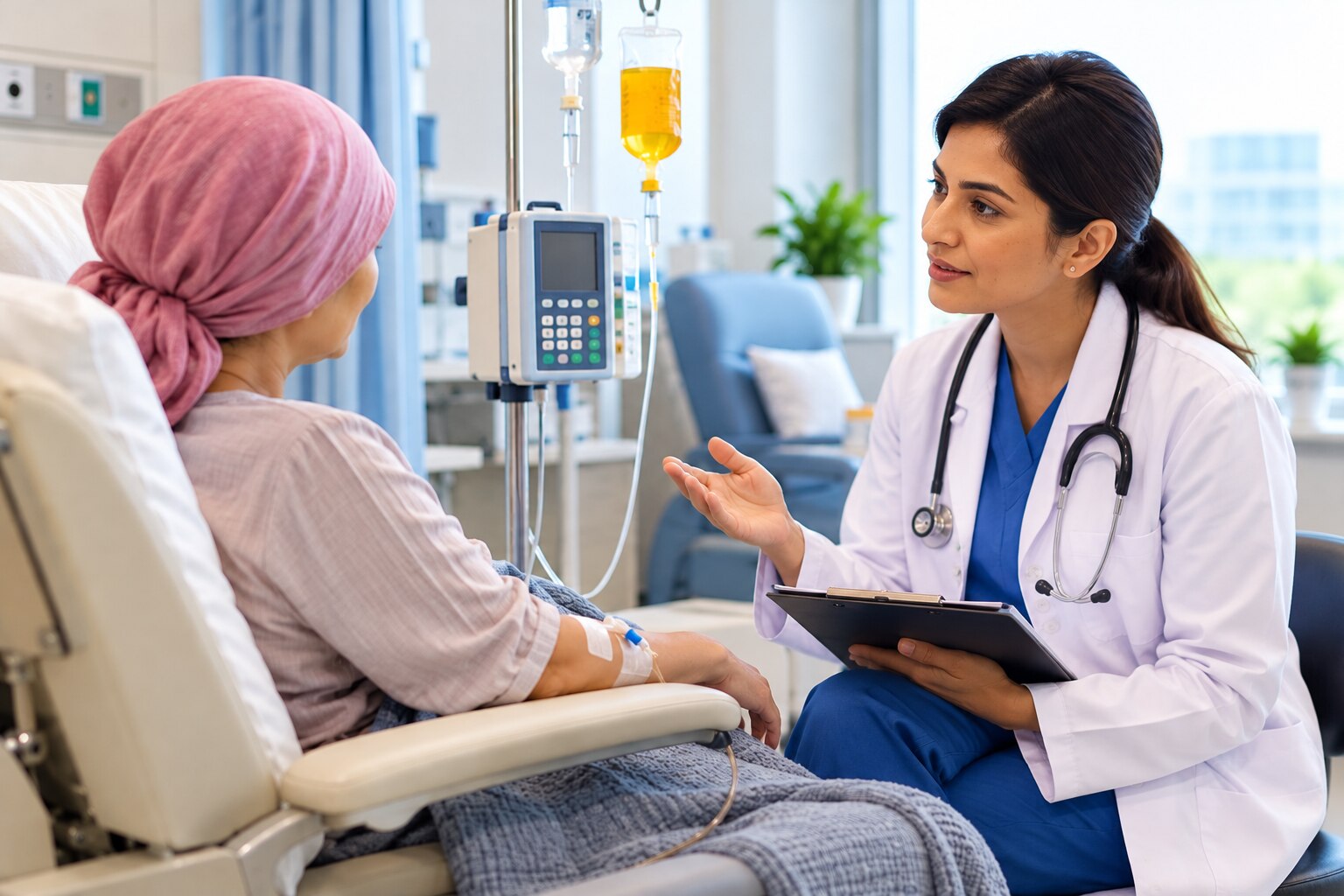
- Intravenous chemotherapy: A cannula in a vein delivers the drug by infusion. Repeated or irritating infusions may use a central venous catheter or an implanted port under the skin; a port still needs a needle.
- Injection: A drug is given under the skin or into a muscle.
- Tablet or capsule: You take the medicine at home on specified days and follow exact handling instructions.
- Another route: Selected treatments enter a body cavity or the cerebrospinal fluid.
What happens before and during an infusion
Before chemotherapy, clinicians confirm that your body can safely handle the planned dose. A complete blood count identifies low neutrophils, anaemia and low platelets; kidney and liver tests show whether the organs that process or clear the drugs are working adequately.
Abnormal results can lead to a delay, dose reduction, extra monitoring or a regimen change.
1. Tell the team about every medicine, supplement and allergy. They check for interactions and ask about pregnancy, contraception and fertility risks because some chemotherapy drugs can harm a developing fetus. They record your temperature, pulse, blood pressure, oxygen level and weight; weight changes can alter a calculated dose or reveal dehydration.
2. A nurse inserts an intravenous cannula, usually into your hand or arm, or accesses a chemotherapy port under the skin with a sterile needle. Report burning, pain, swelling or wetness around the site immediately; these signs can indicate leakage.
3. You may receive premedication such as anti-nausea drugs, steroids or medicines to prevent an allergic reaction. Hydration through fluids or drinks supports circulation and kidney clearance when the regimen requires it.
4. During and after the infusion, staff check your symptoms and vital signs, watching for allergy, chest tightness, dizziness or infusion-site pain. At Dr Gawande Oncocare Centre, ask which symptoms require a same-day call and which require emergency care.
5. Before discharge, get written medicine timings, the next appointment, after-hours contact details and temperature instructions. A temperature of 38°C (100.4°F) or higher during chemotherapy requires immediate medical advice; do not mask it with fever medicine first.
Related service
Treatments Chemotherapy At Gawande Oncocare Centre, we understand that fighting cancer is about more than just medicine; it is about maintaining your quality of life. |
Side effects, urgent warning signs and questions to raise early
Chemotherapy side effects include fatigue, nausea, appetite changes, hair loss, mouth sores, diarrhoea or constipation, nerve tingling, and reduced blood-cell counts. Timing depends on the drug: nausea can begin within hours, mouth or bowel symptoms may develop over days, and hair loss often appears after several weeks.
| Effect or sign | When it is most likely | What to do |
|---|---|---|
| Low neutrophils | Around the regimen’s neutrophil nadir, when counts are lowest | Follow your team’s infection precautions |
| Fever during chemotherapy | Any time, including between cycles | Treat 38°C (100.4°F) or higher as urgent |
| Vomiting | During treatment or for several days afterward | Use prescribed antiemetics and report uncontrolled vomiting |
| Tingling or numbness | After repeated doses; it can persist | Report it early before it affects walking or daily tasks |
Call your oncology team or emergency service immediately for a temperature of 38°C or higher, shaking chills, trouble breathing, chest pain, confusion, severe weakness, uncontrolled vomiting, inability to drink, heavy bleeding, or a new rash or facial swelling. Do not mask a fever with paracetamol or another fever medicine before seeking advice.
Before treatment, ask:
- Could these drugs affect fertility, and should fertility preservation such as sperm, egg or embryo storage happen before the first dose?
- What contraception is required, and when is pregnancy safe?
- Which late effects—such as nerve, heart, lung, hearing or bone problems—fit this regimen?
- Can you work, drive, exercise, have sex or care for children, and which activities need limits?
- Whom should you call after hours, and what temperature threshold applies to you?
Frequently asked questions
How does chemotherapy attack cancer cells?
Chemotherapy disrupts cancer cell division or damages the DNA cancer cells need to survive and reproduce. Drugs may act at a specific cell-cycle stage or block DNA copying and repair.
Why does chemotherapy cause side effects?
Some healthy tissues also contain rapidly dividing cells, including hair follicles, the digestive lining, and bone marrow. Damage to these cells can cause hair loss, nausea, mouth soreness, fatigue, or low blood counts.
Why do doctors recommend chemotherapy?
Doctors may use chemotherapy to shrink a tumour before surgery or radiation, destroy remaining cancer cells after local treatment, control advanced cancer, or relieve symptoms. The intended goal depends on the cancer type and stage.
How are chemotherapy treatments organised?
A regimen sets the drugs, doses, treatment route, and schedule. Treatment is divided into cycles, with drug administration followed by a recovery period before the next cycle.
What happens before and during a chemotherapy infusion?
Before treatment, your team reviews your health, medicines, blood-test results, and treatment plan. During an infusion, nurses check your identity and drug details, place or access an intravenous line, monitor you, and respond to reactions.