A visible tumour does not automatically mean that an operation is the best next step. By understanding the evidence doctors review, the goals surgery can serve, and how risks and alternatives are weighed, you can take part in a more informed treatment decision.
Key takeaways
- Biopsy results and scans show what surgeons need to remove.
- Surgery is recommended when its benefits outweigh the risks of removing the cancer.
- Chemotherapy or radiotherapy may shrink a tumour before surgery or reduce recurrence risk afterward.
- Ask about the operation’s goal, alternatives, risks, recovery, and expected results.
What Information Is Used to Plan Cancer Surgery?
An operation is planned from evidence showing what the cancer is, where it has spread, and whether surgeons can remove it without unacceptable harm. A biopsy provides tissue for a pathology report, which identifies the cancer type and subtype.
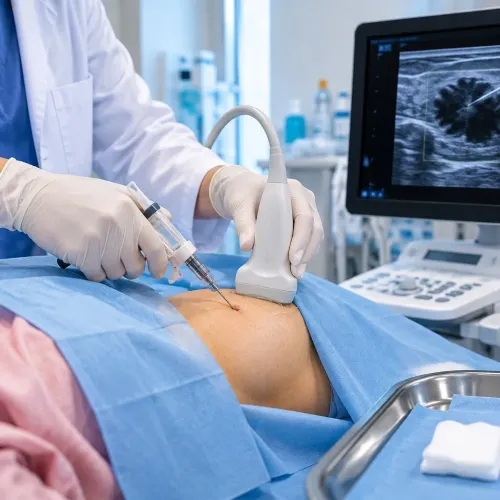
The biopsy route also matters: doctors may plan the tract so it can be removed with the tumour when appropriate.
The records commonly reviewed include:
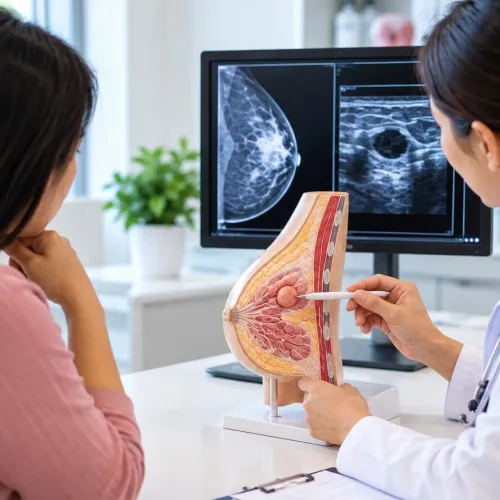
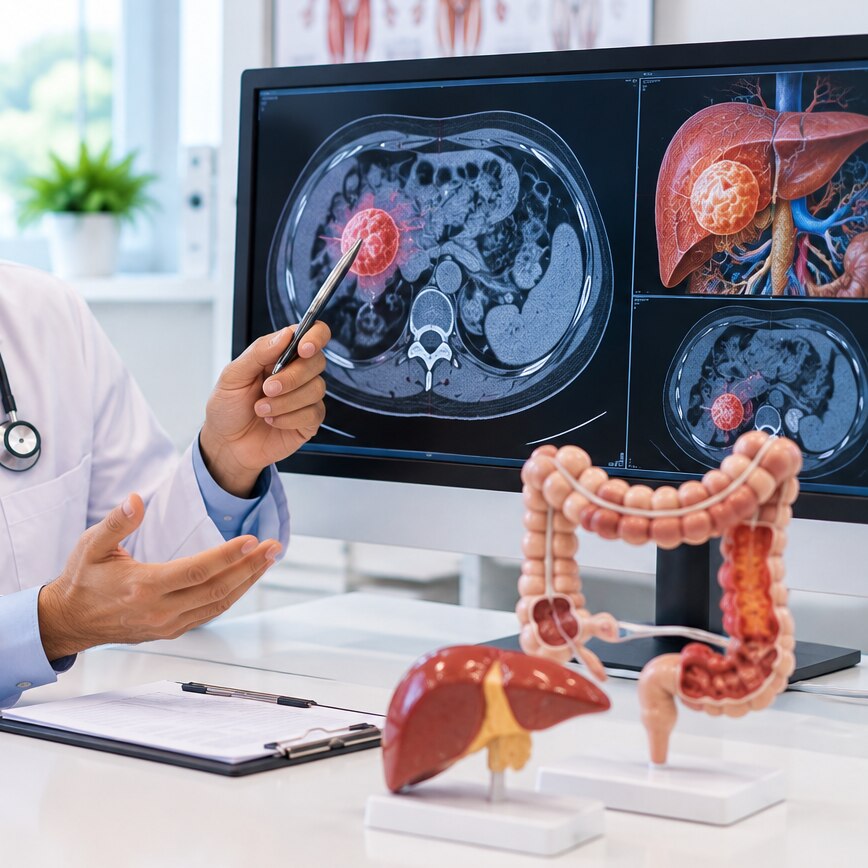
- CT or MRI scans to map tumour size, nearby structures, and possible lymph-node involvement.
- PET-CT when the cancer type or suspected spread makes metabolic imaging useful.
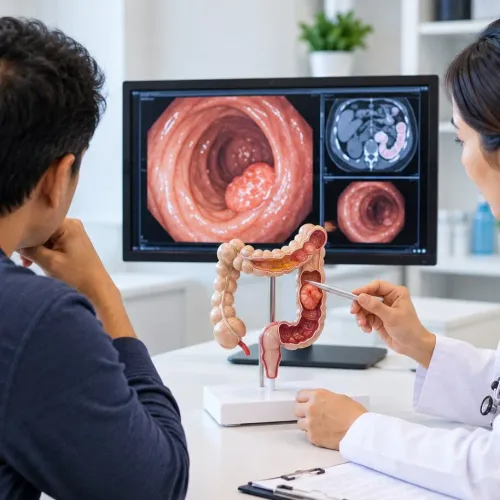
- Endoscopy reports and photographs for cancers in the digestive, respiratory, or urinary tract.
- Blood tests, including blood counts, liver and kidney function, to assess treatment readiness and organ involvement.
- Examination findings, previous treatment records, and samples from lymph nodes or distant lesions.
| Information | What it shows | Why it matters for surgery |
|---|---|---|
| Biopsy and pathology report | Cancer type, subtype, grade, and sometimes biomarkers | Confirms which treatment approach fits |
| CT or MRI | Tumour boundaries and contact with organs, vessels, or nerves | Estimates whether complete removal is technically safe |
| PET-CT or other staging tests | Possible disease beyond the primary tumour | Helps avoid an operation unlikely to control the cancer |
| Cancer stage | Overall extent, including nodes or distant spread | Guides resectability and expected benefit |
| Fitness assessment | Heart-lung function, nutrition, kidney function, medicines, and frailty | Determines whether you can safely undergo and recover from surgery |
When Is Surgery Recommended—and When Is It Not?
A visible tumour does not automatically make surgery appropriate. Doctors recommend it when the cancer can be removed safely, the operation offers a meaningful benefit, and you are fit enough to recover from it.
The decision turns on:
- Tumour size: a large growth may involve blood vessels, nerves, or other organs, making complete removal harder.
- Tumour location: a tumour near a critical structure may require complex surgery or may be unsafe to remove with clear margins.
- Lymph nodes: cancer in nearby nodes can still allow surgery, sometimes alongside chemotherapy or radiotherapy.
- Distant metastases: spread to organs such as the liver, lungs, bones, or brain often shifts treatment toward systemic therapy, although selected patients still benefit from surgery.
- Resectability: the team asks whether every known cancer deposit can be removed while preserving enough healthy organ function.
- Expected benefit: surgery is less suitable when it would not control the disease, extend life meaningfully, or relieve a serious symptom.
The operation may be abandoned as the main treatment when the cancer surrounds vital structures, has widespread distant metastases, or is better controlled with medicines or radiotherapy. A minimally invasive approach is not automatically safer; tumour location, size, previous operations, and the need for a complete cancer resection may require open surgery.
Your overall fitness matters as much as your age. Frailty, poor nutrition, heart or lung disease, kidney problems, blood-thinning medicines, and limited ability to rehabilitate can increase risk and change the recommendation.
What Goal Would the Operation Serve?
An operation earns its place by serving a clear goal, not simply because a tumour is visible. Curative surgery aims to remove all known cancer with a safe margin, sometimes including nearby lymph nodes. It offers the best chance of long-term control when disease is resectable.
Palliative surgery treats a complication rather than eradicating cancer. It may relieve bowel obstruction, bleeding, pain, infection, or pressure, but can require a stoma, hospitalisation, and recovery. Diagnostic surgery obtains tissue when a needle biopsy cannot answer the question; staging surgery checks the extent of disease and can change the treatment plan.
Recurrence surgery removes cancer that has returned when its location, spread, and the person’s health make local treatment worthwhile.
| Option | Main purpose | Typical role |
|---|---|---|
| Surgery | Remove, sample, or relieve | Localised or selected recurrent or metastatic disease |
| Chemotherapy | Treat cancer throughout the body | Before surgery, after surgery, or for widespread disease |
| Radiotherapy | Control a defined area | Before or after surgery, or for symptom relief |
| Targeted therapy | Block a tumour’s specific molecular driver | Cancer with a matching biomarker |
| Immunotherapy | Stimulate an immune response | Cancers and biomarkers for which it is effective |
| Active surveillance | Monitor without immediate treatment | Selected slow-growing, low-risk cancers |
| Combined treatment | Use complementary methods | When one treatment alone cannot provide adequate control |
A biopsy usually establishes the tumour type before definitive treatment. Plan its route carefully: the biopsy tract may need removal with the tumour. Surgery may be combined with chemotherapy or radiotherapy to shrink disease first, improve resectability, or reduce recurrence risk.
Why Treatment May Come Before or After Surgery
A multidisciplinary team recommends treatment before surgery when it is likely to improve the operation or reduce recurrence risk more than it adds toxicity. The decision uses the biopsy subtype, tumour size and location, lymph-node or distant spread, resectability, treatment evidence for that cancer, and your fitness for therapy.
- The team defines the immediate goal. Neoadjuvant chemotherapy can shrink a tumour, treat cancer cells elsewhere, and reveal whether the disease responds. Neoadjuvant radiotherapy can reduce a tumour’s local extent and lower the chance of cancer returning near the operation site. Either approach may make a difficult operation feasible or allow less extensive surgery.
- Doctors compare that benefit with delay, side effects, nutritional decline, organ damage, and the possibility that the cancer progresses before surgery. They also consider whether scans show disease that surgery could not remove completely, making systemic treatment the priority.
- After surgery, the pathology report shows the actual tumour size, margins, lymph-node involvement, subtype, treatment response, and sometimes biological markers. The team combines these findings with the original stage and any neoadjuvant treatment already given to decide on adjuvant therapy.
- Adjuvant therapy may include chemotherapy, radiotherapy, targeted therapy, immunotherapy, or observation. It is recommended when the expected reduction in recurrence risk outweighs treatment harms; it can be omitted when the cancer has a low residual risk, prior treatment was sufficient, or further treatment would be unsafe.
What You Should Know Before Consenting to the Operation
A preoperative assessment looks beyond your chronological age. The team weighs frailty, daily function, nutrition, heart and lung health, kidney function, other illnesses, medicines, previous operations, and whether you can participate in rehabilitation and manage safely at home.
1. Ask how your anaesthesia risk will be checked. This may include an examination, blood tests, an electrocardiogram, chest or lung testing, and medication review. Tell the team about sleep apnoea, breathing problems, heart disease, kidney disease, allergies, and previous anaesthesia reactions.
2. Give a complete medicine list, including aspirin, warfarin, apixaban, supplements, and diabetes medicines. Blood thinners may need a planned interruption or replacement; never stop one yourself.
3. Ask whether low weight, recent weight loss, anaemia, or poor appetite could delay healing. A nutrition plan, protein support, or treatment for anaemia may improve recovery.
4. Discuss previous abdominal or chest operations. Scar tissue can change the route, increase operating time, or make minimally invasive surgery unsuitable. Ask why the proposed approach is safest and when surgeons would convert to an open operation.
5. Confirm whether lymph nodes, nearby organs, a stoma, or reconstruction could be removed or required. Ask about likely functional effects, bleeding, infection, pain, and the possibility that findings could change or stop the operation.
6. Before consenting, ask about hospital length of stay, drains, tubes, mobilisation, eating, wound care, warning signs, driving, work, and help at home. Enhanced Recovery After Surgery pathways support counselling, shorter fasting, early movement, and eating when safe; they do not guarantee an uncomplicated recovery.
7. Ask what pathology results could mean for further treatment. At Dr Gawande Oncocare Centre, this discussion can connect the operation’s findings with the next treatment decision.
Related service
Consultation A cancer surgery consultation is a critical first step in your treatment journey. View service → |
Frequently asked questions
What information is used to plan cancer surgery?
Doctors use the biopsy pathology report, imaging scans, cancer stage, tumour location, nearby structures, overall health, and the expected risks and benefits of surgery.
When is cancer surgery recommended?
Surgery is recommended when the cancer can be removed safely and the operation offers a meaningful benefit, such as curing the cancer, controlling it, or relieving symptoms.
When is cancer surgery not recommended?
Surgery may not be recommended when the cancer cannot be removed safely, has spread too widely for an operation to help, or another treatment offers a better balance of benefit and risk.
Why might treatment be given before or after surgery?
Chemotherapy, radiotherapy, hormone therapy, targeted therapy, or immunotherapy may be used before surgery to shrink or control cancer, or afterward to reduce the chance of recurrence.