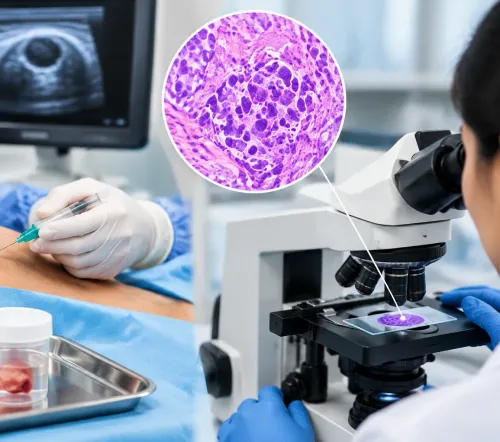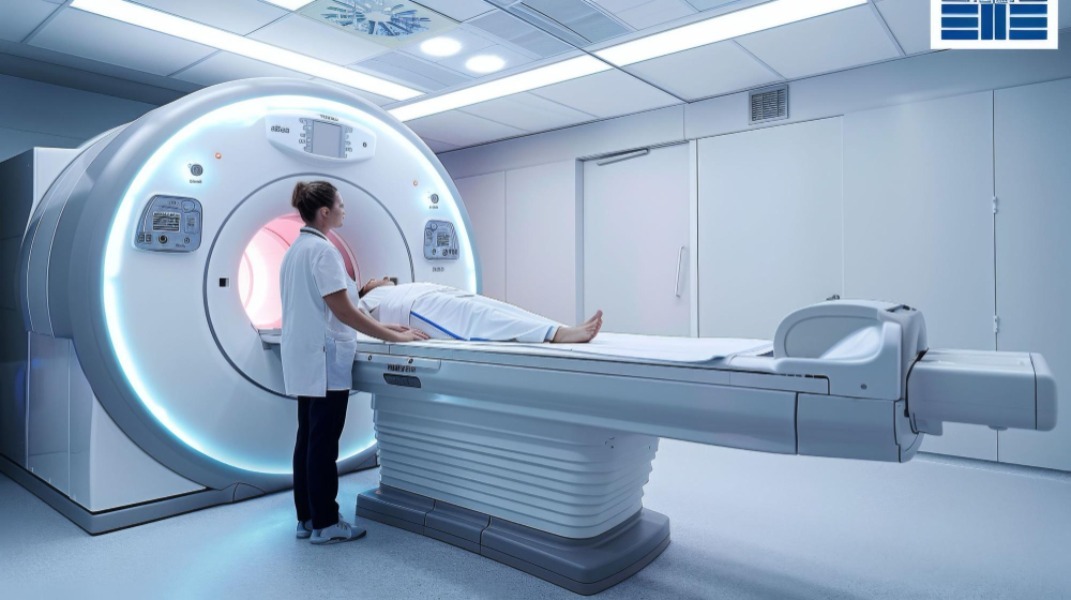
A PET Scan is an advanced imaging test that helps doctors understand how cancer behaves inside the body. Unlike conventional imaging that mainly shows the size or shape of an abnormality, a PET Scan provides information about the metabolic activity of tissues, allowing doctors to identify areas that may require further evaluation.
Patients in Pimpri-Chinchwad frequently ask whether every cancer patient needs a PET Scan. The answer depends on the type of cancer, stage of disease, and treatment objectives.
What Is a PET Scan?
PET stands for Positron Emission Tomography.
Before the scan, a small amount of radioactive tracer is administered. Cancer cells often absorb more of the tracer than normal tissues because they are more metabolically active. The scanner detects these areas to create detailed images.
The amount of radiation used is carefully controlled and considered safe for medically indicated imaging.
When May a PET Scan Be Recommended?
Doctors may advise a PET Scan for:
- Initial cancer staging
- Detecting cancer spread
- Assessing treatment response
- Identifying cancer recurrence
- Planning radiation therapy
- Evaluating certain suspicious findings
Not every cancer requires this investigation.
Preparing for the Scan
Patients are usually advised to:
- Fast for several hours before the scan.
- Drink adequate water unless instructed otherwise.
- Inform the medical team about diabetes.
- Avoid strenuous exercise before the appointment.
- Wear comfortable clothing.
The imaging centre will provide specific preparation instructions based on the patient's condition.
Understanding the Results
A PET Scan does not independently confirm cancer.
Doctors interpret the findings together with:
- Biopsy reports
- Blood investigations
- CT or MRI findings
- Clinical examination
- Previous treatment history
This combined assessment improves diagnostic accuracy.
Common Questions
Is the scan painful?
Apart from the injection used to administer the tracer, the scan itself is painless.
How long does the appointment take?
The complete process usually takes a few hours, including preparation, tracer uptake time, and scanning.
Will every abnormal area indicate cancer?
No. Infection, inflammation, and some non-cancerous conditions can also appear active on a PET Scan.
Patients undergoing cancer evaluation in Pimpri-Chinchwad benefit from imaging that is interpreted within the context of their complete medical history. Dr Gawande Oncocare Centre incorporates PET Scan findings with pathology, laboratory results, and multidisciplinary clinical review to support accurate diagnosis and personalized treatment planning.
Keywords