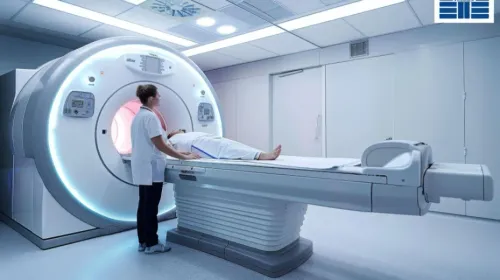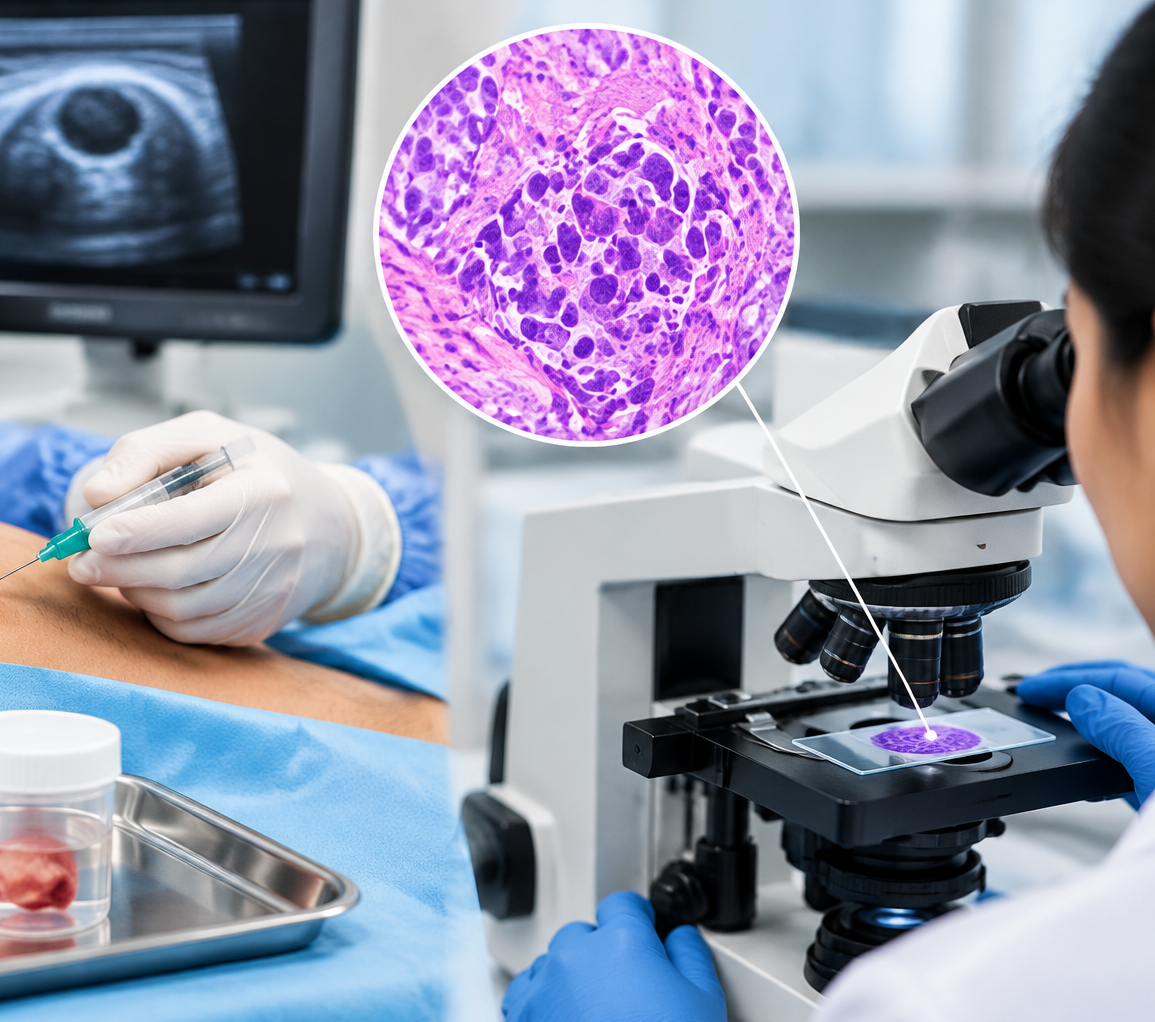
A biopsy is one of the most important steps in diagnosing cancer. While imaging tests such as CT scans, MRI scans, or PET Scans can identify abnormal growths, a biopsy helps determine whether those cells are cancerous. It also provides valuable information that guides treatment planning.
For patients in Pimpri-Chinchwad, understanding why a biopsy is necessary can make the diagnostic process less stressful and help them prepare for the next stage of care.
Why Is a Biopsy Performed?
A biopsy involves removing a small sample of tissue from an abnormal area so it can be examined under a microscope by a pathologist.
Doctors may recommend a biopsy to:
- Confirm whether cancer is present
- Identify the type of cancer
- Determine how aggressive the cancer appears
- Guide treatment decisions
- Support further laboratory testing
A biopsy provides information that imaging tests alone cannot offer.
Different Types of Biopsy
The choice of biopsy depends on the location and size of the abnormal tissue.
Common techniques include:
- Needle biopsy
- Core needle biopsy
- Fine needle aspiration
- Endoscopic biopsy
- Surgical biopsy
- Bone marrow biopsy
The treating doctor recommends the most suitable method after reviewing imaging studies and clinical findings.
Does a Biopsy Spread Cancer?
This is one of the most common concerns among patients.
Modern biopsy techniques are carefully performed using established medical protocols. In most situations, a biopsy does not cause cancer to spread. It remains the standard method for obtaining an accurate diagnosis before treatment begins.
What Happens After the Procedure?
The tissue sample is sent to a pathology laboratory where specialists examine the cells in detail.
The report may include:
- Cancer type
- Tumour grade
- Cell characteristics
- Margin status in surgical biopsies
- Additional molecular or genetic findings when required
These details help the oncology team recommend the most appropriate treatment.
Preparing for a Biopsy
Patients may receive instructions such as:
- Discuss current medications with the doctor.
- Inform the medical team about allergies.
- Follow fasting instructions if sedation is planned.
- Arrange transportation when necessary.
- Ask about recovery time before returning to work.
Following these instructions can help the procedure proceed smoothly.
Why Accurate Diagnosis Matters
Cancer treatment is highly individualized. Starting therapy without confirming the diagnosis may lead to inappropriate treatment decisions.
An accurate biopsy report helps determine whether surgery, chemotherapy, radiation therapy, immunotherapy, or targeted therapy is most appropriate.
Patients seeking cancer evaluation in Pimpri-Chinchwad often undergo comprehensive diagnostic assessment before treatment planning. At Dr Gawande Oncocare Centre, biopsy findings are carefully reviewed alongside imaging studies, laboratory investigations, and clinical examination to develop evidence-based treatment recommendations tailored to each patient's condition.
Keywords