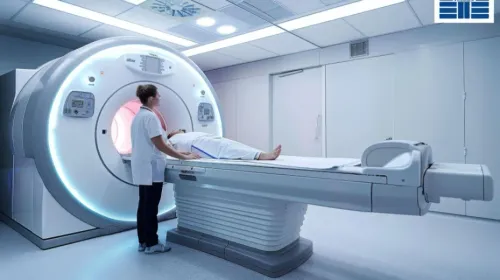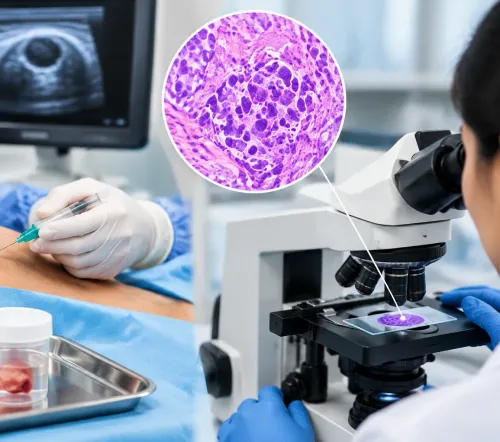
Cancer Screening plays an important role in identifying certain cancers before symptoms develop or at an early stage when treatment options may be more effective. While screening cannot prevent every type of cancer, it can improve the chances of detecting disease before it progresses.
Many people in Pimpri-Chinchwad are unsure about when screening should begin or which tests are appropriate. The answer depends on factors such as age, family history, lifestyle, and individual risk.
What Is Cancer Screening?
Cancer Screening involves testing people who do not have symptoms but may be at risk of developing certain cancers.
The goal is to detect abnormalities early so that further evaluation can be performed if necessary.
Screening differs from diagnostic testing, which is recommended after symptoms appear.
Who Should Consider Screening?
Doctors may recommend screening for individuals who:
- Are above certain age groups
- Have a family history of cancer
- Smoke or have smoked in the past
- Have long-term exposure to specific environmental risks
- Carry inherited genetic mutations
- Have previous precancerous conditions
The decision should always be based on medical advice.
Common Cancer Screening Tests
Depending on age and risk factors, screening may include:
- Mammography for breast cancer
- Pap test for cervical cancer
- Colonoscopy for colorectal cancer
- Low-dose CT for selected lung cancer patients
- PSA testing in appropriate situations
- Oral examination for individuals at high risk of oral cancer
Each test has specific indications and recommended screening intervals.
Benefits of Early Screening
Early detection may provide several advantages:
- Greater treatment choices
- Earlier diagnosis
- Reduced disease complications
- Better planning of treatment
- Improved long-term outcomes for many cancers
Regular health check-ups complement recommended screening programmes.
Preparing for a Screening Consultation
Before visiting an oncologist or physician, consider gathering:
- Family medical history
- Previous health records
- Current medications
- Lifestyle information
- Any recent health changes
Sharing accurate information helps doctors recommend appropriate screening tests.
Cancer Screening should always be personalized rather than performed routinely without medical guidance. At Dr Gawande Oncare Centre, patients from Pimpri-Chinchwad receive individualized risk assessment and evidence-based recommendations regarding suitable screening strategies based on age, medical history, family history, and overall health status.
Keywords