

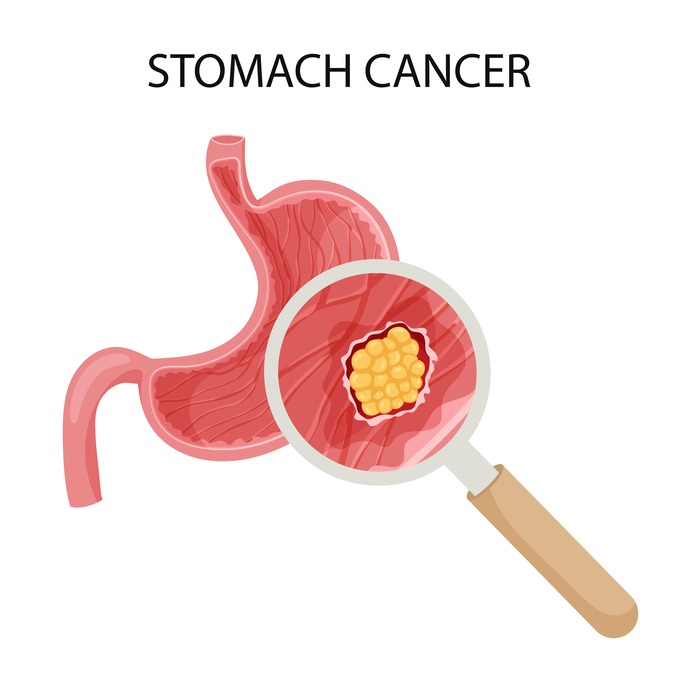
Stomach cancer often does not begin with very clear signs. Many people ignore early digestive discomfort, thinking it is something temporary. This is one of the reasons why diagnosis sometimes happens later than expected.
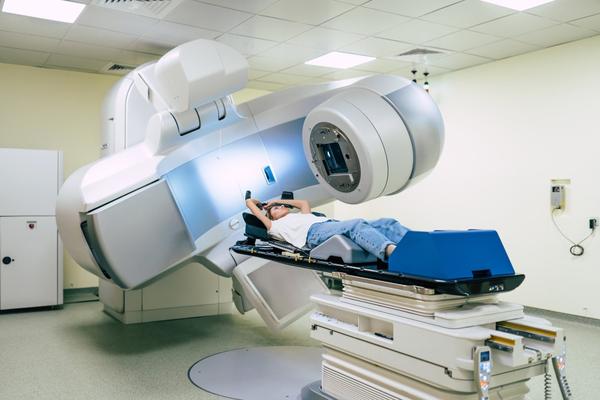
Once identified, the treatment plan depends largely on how early the condition has been detected. In early stages, surgery may be considered as a primary option. In more advanced situations, chemotherapy or other therapies may be introduced either before or after surgery.
What patients usually find confusing is the sequence. Why start with chemotherapy in some cases? Why not operate immediately? These decisions are based on how the tumour is positioned and whether reducing its size first can improve outcomes.
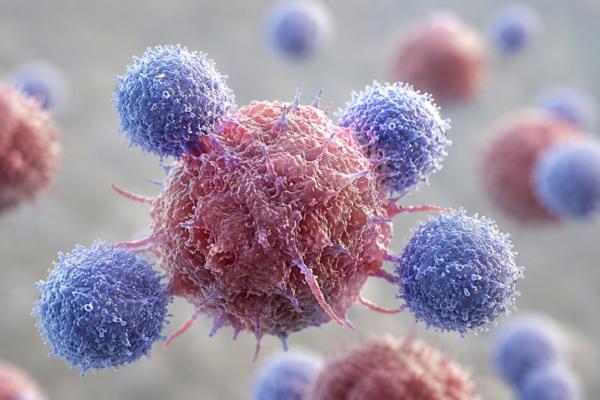
There is also increasing use of targeted therapy or immunotherapy in selected cases. These treatments are not applied universally, but when suitable, they can become an important part of the overall approach.
Managing stomach cancer is not just about treatment, it also involves maintaining nutrition and strength during the process. That becomes an important part of recovery and overall well being.
If you are dealing with symptoms that have persisted or have been recently diagnosed, consulting Dr Gawande Oncocare Centre in Pimpri-Chinchwad can help you understand how treatment is planned based on your specific condition.